Physio Equipment Manufacturer 20 Years of Expertise
Physio Equipment Manufacturer 20 Years of Expertise

Why Shockwave Therapy is the Best Treatment for Horses
Horses, as athletic animals (e.g., racehorses,show jumping, equestrian sports), frequently
endure immense pressure on their tendons,ligaments, and joints, making conditions like
tendinitis, ligament injuries, and osteoarthritis common. Shockwave therapy is a non-invasive
drug-free, side-effect-free, and long-term treatment that can help horses recover quickly
and maintain long-term health.
What is Shockwave Therapy?
Shockwave Therapy Principle
Shockwave therapy uses high-frequency sound waves to penetrate deep tissues, utilizing
cavitation effects and controlled micro-trauma to stimulate cell repair and angiogenesis, while
inhibiting pain signal transmission. This results innon-invasive, highly effective tissue repair and
chronic pain relief.

Types of Shockwave Therapy
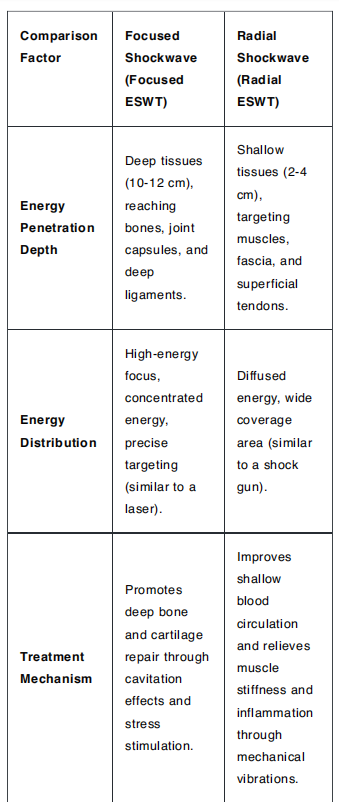
Focused Shockwave (Focused ESWT) vs Radial Shockwave (Radial ESWT)

Summary:
Focused shockwaves are ideal for precisiontreatment of deep bone and ligament issues,while radial shockwaves are more suitable for superficial soft tissue inflammation and musclerehabilitation. If you're new to shockwave therapy,we recommend starting with the more affordable,easy-to-use radial shockwave devices.

What Conditions Can Shockwave Therapy Treat in Horses? What Are the Contraindications?
Effective Shockwave Therapy Treatment for Horses
Shockwave therapy can effectively treat the following conditions in horses:
Tendon and Ligament Injuries:
e.g., suspensory ligament desmitis, flexor tendonitis(especially chronic fibrotic changes), partial
ligament tears
Bone and Joint Issues:
osteoarthritis,sesamoiditis, bone spurs, stress fractures,
delayed bone remodeling
Soft Tissue Inflammation:
back muscle fasciainflammation, chronic hoof ulcers, poorly
healed wounds
Pain Management:
unexplained lameness,post-surgical adhesion pain, muscle fatigue
Contraindications for Shockwave Therapy
Acute infection areas, open bone fractures,clotting disorders, tumor sites, pregnant mares
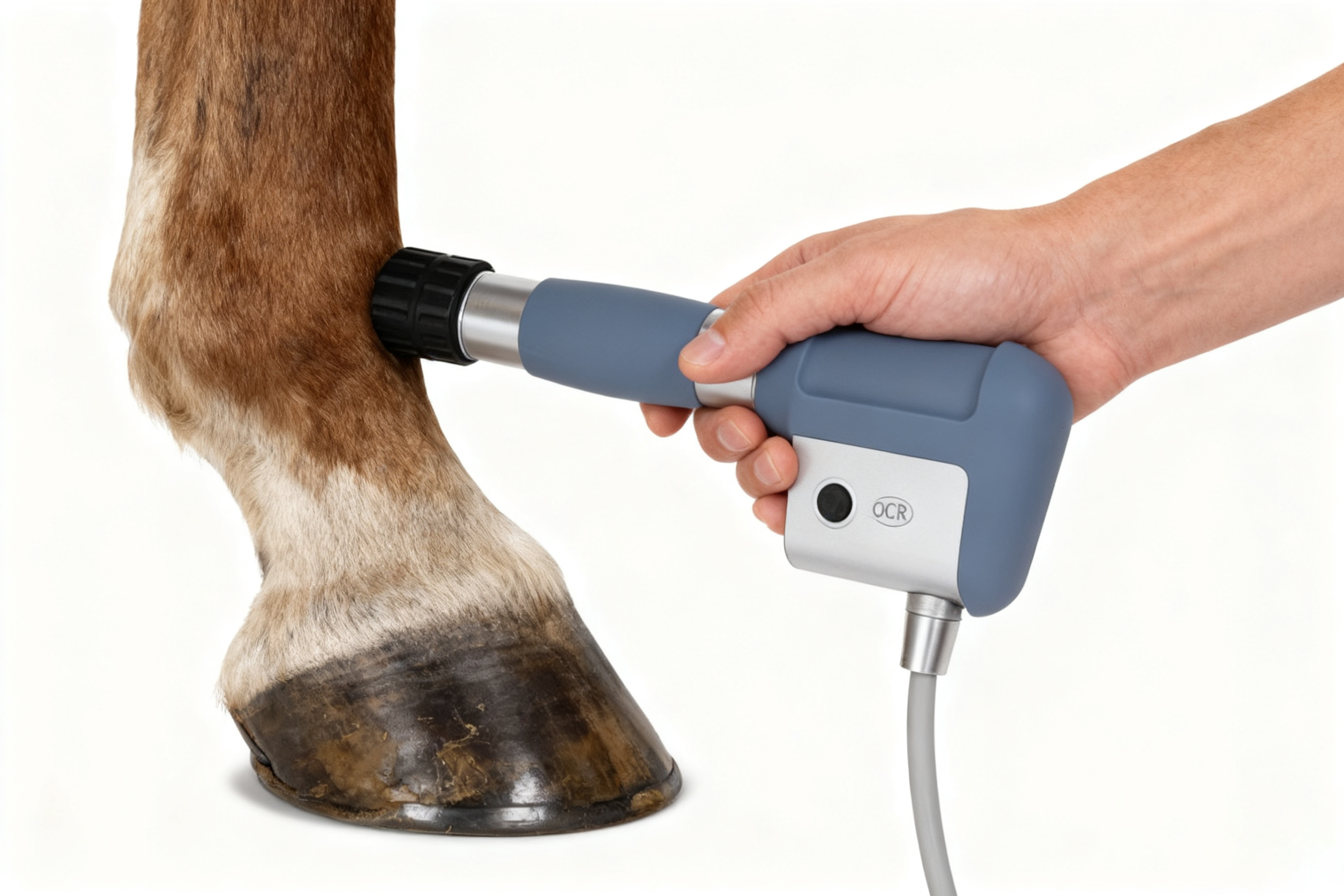

Why Recommend Our Radial Shockwave Therapy forHorses?
Highlights of Our Radial Shockwave Device
HIGHTLIGHTS
Only 7.8KG, it means compact size: easy to carry and mobility.
High Reliability: rugged case.
User friendly: Intelligent operation guidance
Professionale intelligent guidance: 10 differenttreatment areas with indications and preset parameters.
Compact case with all accessories in, easy to carry
Suitable for home use, veterinary clinics,equine rehabilitation centers and equineprofessionals
HORSE INTERFACE
Offers 10 body parts to choose
Recommend tips
6 different preload
8-inch user-friendly touchscreen
2 Modes:C mode & P mode(C:ComfortableMode; P: Professional Mode)
Precautions for Shockwave Therapy in HorsesEnsure Correct Treatment Areas
When treating horses, ensure the correct therapy areas (muscles, ligaments, joints, soft tissues).Accurately targeting these areas will enhance treatment effectiveness and minimize side effects.
Choose the Right Shockwave Device
Due to the differences in horse anatomy, special shockwave devices designed for horses are
necessary. Compared to human devices, equine devices may require stronger energy output and larger treatment coverage. Radial shockwave is suitable for superficial soft tissue injuries, while focused shockwave is more effective for deep tissue issues.
Adjust the Proper Treatment Intensity
Shockwave therapy intensity should be adjusted based on the horse's individual condition (e.g.,
age, size, injury severity). High energy can cause discomfort or injury, while low energy might
reduce effectiveness. Start with a lower intensity and gradually increase based on the horse's
Response.
Treatment Duration
Each treatment session should last between 10 and 20 minutes, depending on the horse's
tolerance. Avoid prolonged treatment to prevent discomfort.
Monitor Post-Treatment Response
After treatment, horses may experience mild discomfort or muscle tension, which is normal.However, if significant pain or discomfort occurs, cease treatment immediately and consult with a veterinarian.
Avoid Over-Treatment
Do not conduct treatments too frequently. It is recommended to gap between sessions to prevent overstimulation of the damaged tissue.
Professional Guidance
Always seek guidance from an experienced veterinarian or physiotherapist when using shockwave devices. Improper use can lead to ineffective treatment or side effects.
Treatment Contraindications
Avoid shockwave therapy in horses with malignancies, infected areas, or open wounds.
Pregnant mares should avoid shockwave therapy to prevent harm to the fetus.
Horses with severe heart or blood conditions should not undergo shockwave treatment.

FAQ - Frequently Asked Questions
Q1: Does Shockwave Therapy Cause Pain in Horses?
Shockwave therapy is generally non-invasive.Most horses will experience mild vibrations or
pressure during treatment but should not feel severe pain. Treatment intensity varies based on
individual tolerance, and some horses may feel slight discomfort. To minimize discomfort, we
recommend starting with low energy and gradually increasing based on the horse's response. If a horse shows significant distress, stop treatment and seek veterinary advice.
Q2: How Long Until I See Results from Shockwave Therapy?
Results vary depending on the horse's condition and individual response. Most horses experience
significant improvement within 3-6 weeks of therapy. Mild soft tissue injuries may show improvement after 1-2 treatments. More severe conditions may require longer treatment periods.Consistent therapy and proper rehabilitation will help accelerate recovery.
Q3: How Do I Purchase Your Shockwave Therapy Equipment?
To purchase our recommended shockwave therapy devices for horses, you can:
Click here to view our best shockwave therapy devices for horses.
Contact Us via email, social media, orWhatsApp for professional advice and support.
Call us at (+8613060901678, Amber Han) for detailed product information and purchase
assistance.
We offer competitive prices and reliable, high-quality devices.
Q4: Is Shockwave Therapy Suitable for All Horse Breeds and Ages?
Shockwave therapy is suitable for most horses,regardless of breed or age. However, the horse's size, age, and overall health may affect treatment effectiveness. Older horses or those with severe health issues may require adjusted intensity levels. For horses recovering from severe injuries,it's important to consult with a veterinarian before starting therapy.
Conclusion - The Value and Recommendations for Shockwave Therapy
Shockwave therapy offers a highly effective and safe treatment for horses, alleviating pain,
accelerating recovery, and improving over all health. We recommend that horse owners choose the appropriate shockwave therapy device based on the horse's specific